For someone who wants everyday routines to create less waste, practical gifts can support habits that last beyond the holidays.
These eight ideas range from indoor growing projects to useful tools for collecting scraps, storing food, and reusing a travel mug.
8 Gift Ideas for People Who Care About Everyday Sustainability
EPICA 1.3-Gallon Stainless Steel Countertop Compost Bin
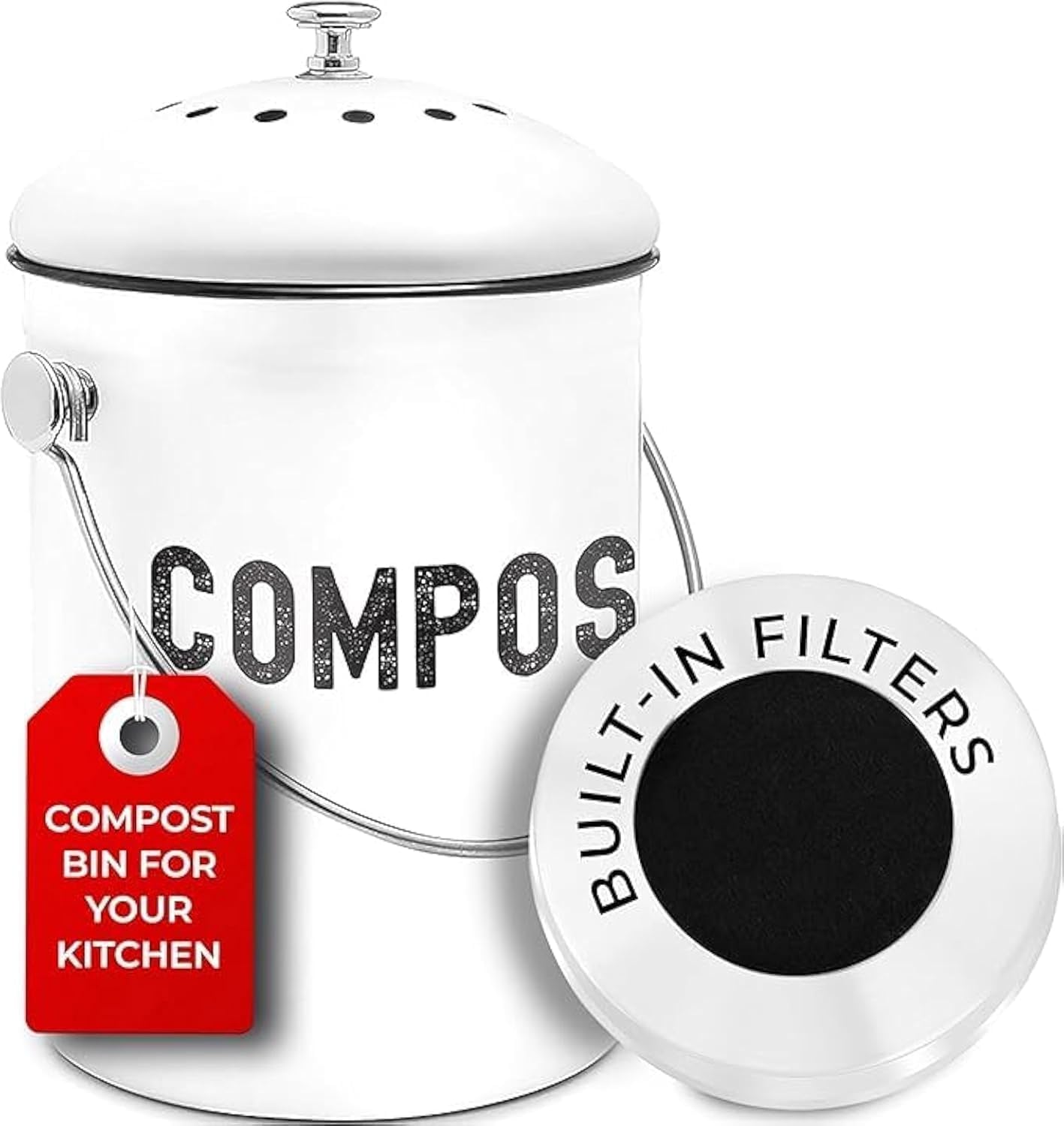
- An airtight lid and replaceable activated-charcoal filter are designed to help manage kitchen odors.
- The one-piece molded bin resists rust and leaks and is easy to clean.
- Its 1.3-gallon capacity is sized for a countertop.
Best Gift For: A home cook who wants a dedicated spot for kitchen food scraps before composting.

Redmon 65-Gallon Outdoor Compost Bin
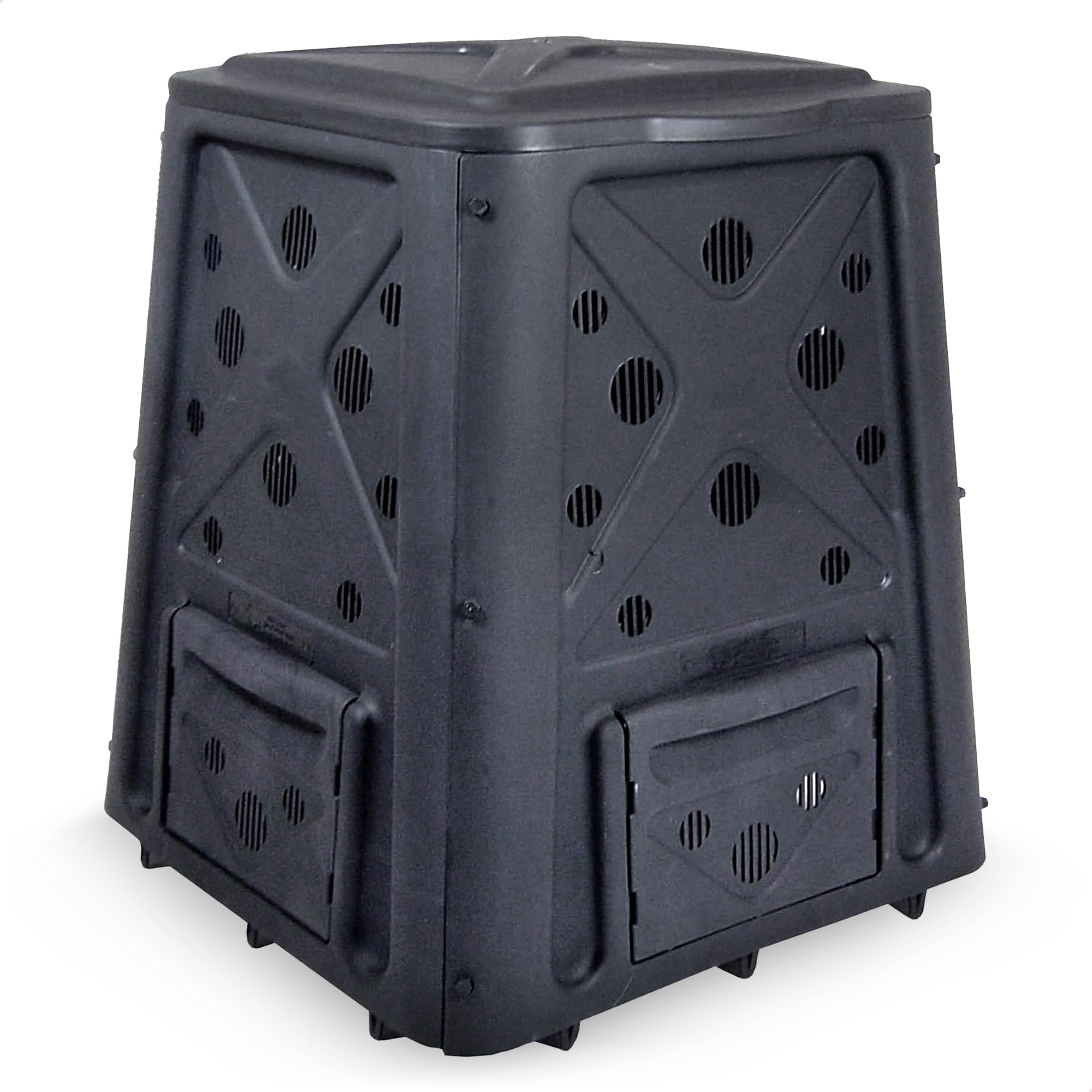
- Made with 80 percent recycled materials.
- Vent holes help air reach organic materials during composting.
- The lift-off lid and 4-door access provide access to composted material.
Best Gift For: A gardener with outdoor space who wants to turn organic waste into compost for the garden.
Fellow Carter Move 16 oz Travel Mug
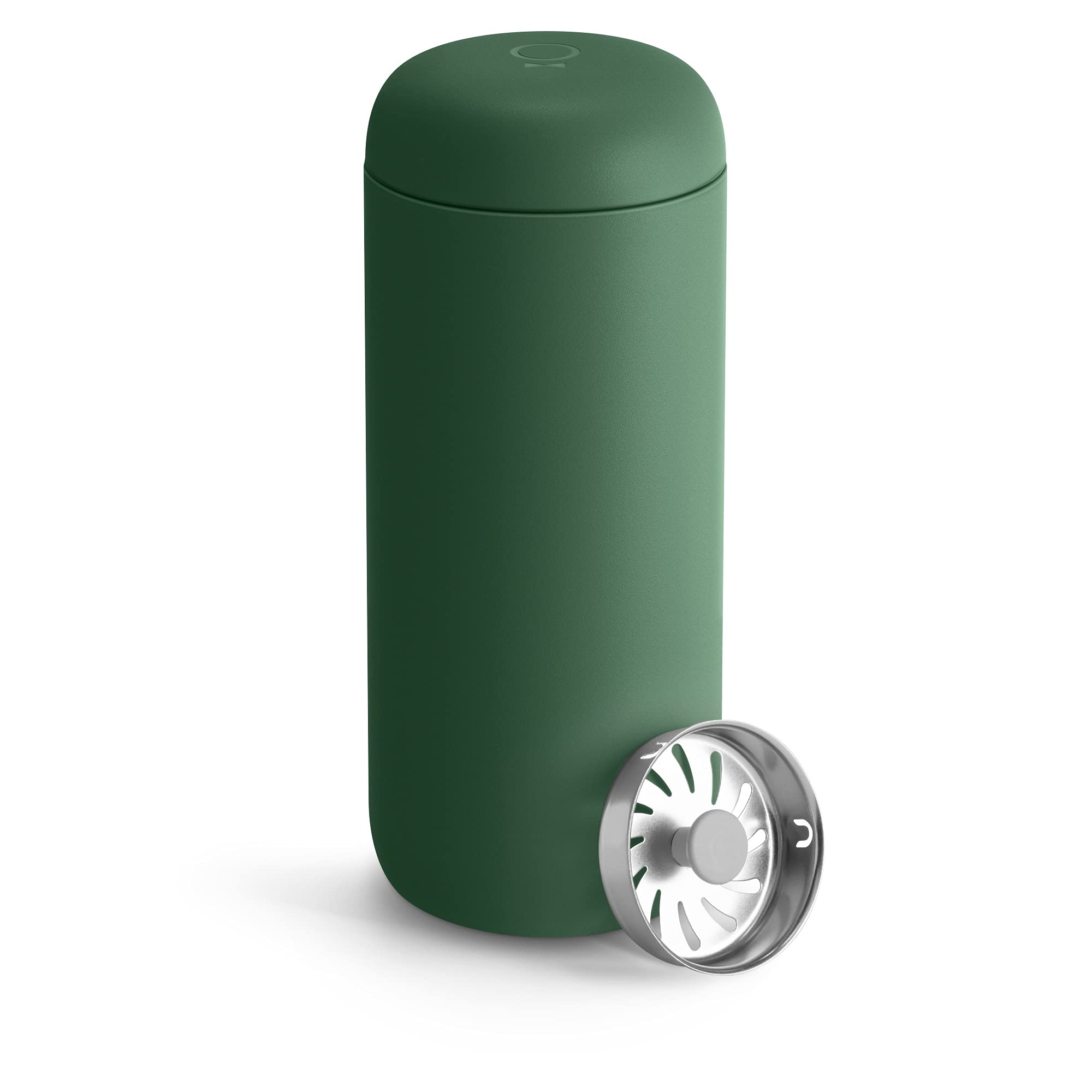
- A ceramic-coated interior is designed to keep drinks free from lingering oils, odors, or metallic notes.
- The splash guard helps keep liquid steady when the lid is off.
- The mug is dishwasher safe for everyday cleanup.
Best Gift For: A coffee or tea drinker who wants a reusable mug for drinks on the go.
Pyrex Simply Store 7-Pack Glass Food Storage Set
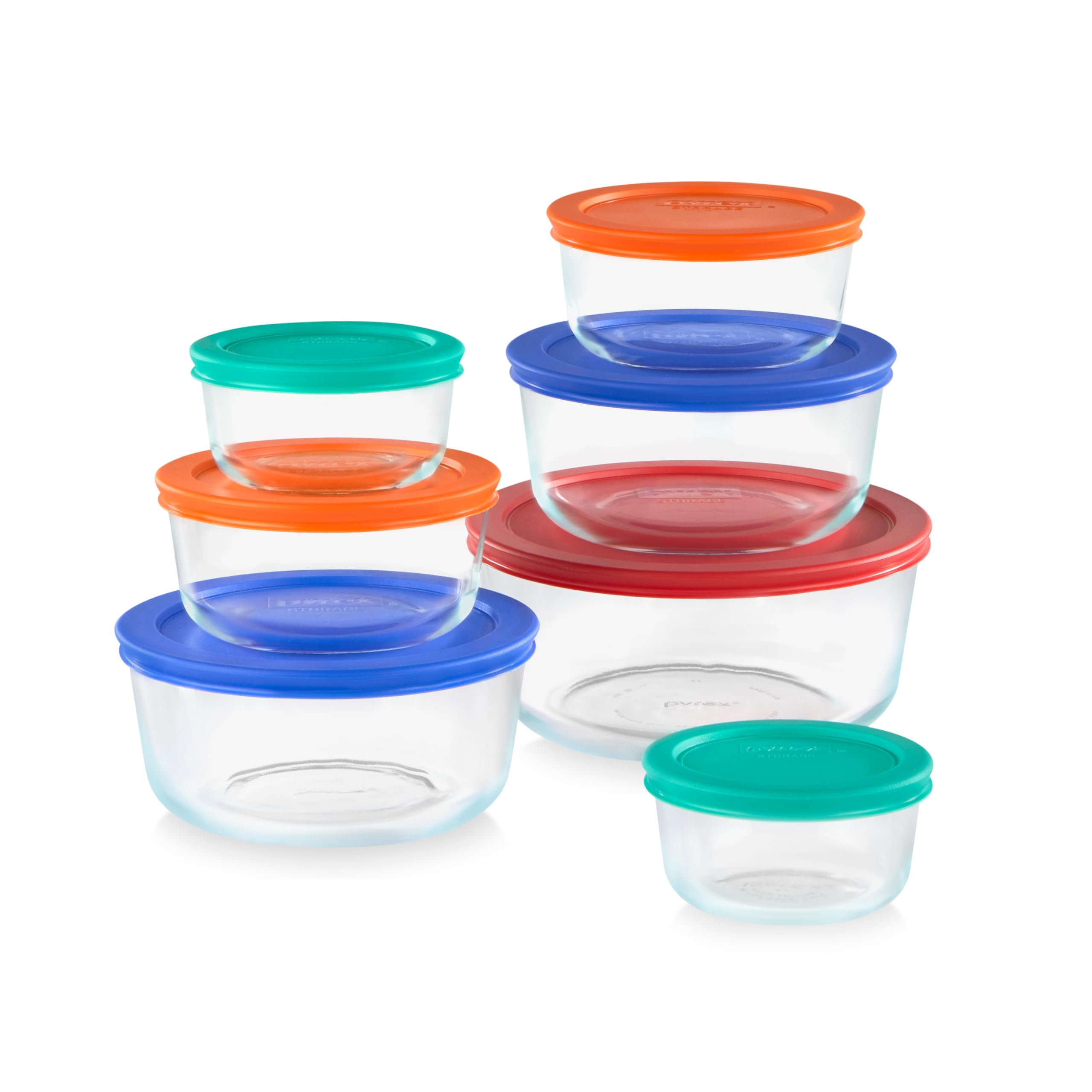
- The set includes 7-cup, 4-cup, 2-cup, and 1-cup round glass containers.
- The tempered glass resists stains and odors.
- The BPA-free plastic lids are freezer, microwave, and top-rack dishwasher safe.
Best Gift For: Someone who meal preps or likes to store leftovers in reusable containers.
YARRAMATE 2-in-1 Olive Oil Dispenser and Sprayer
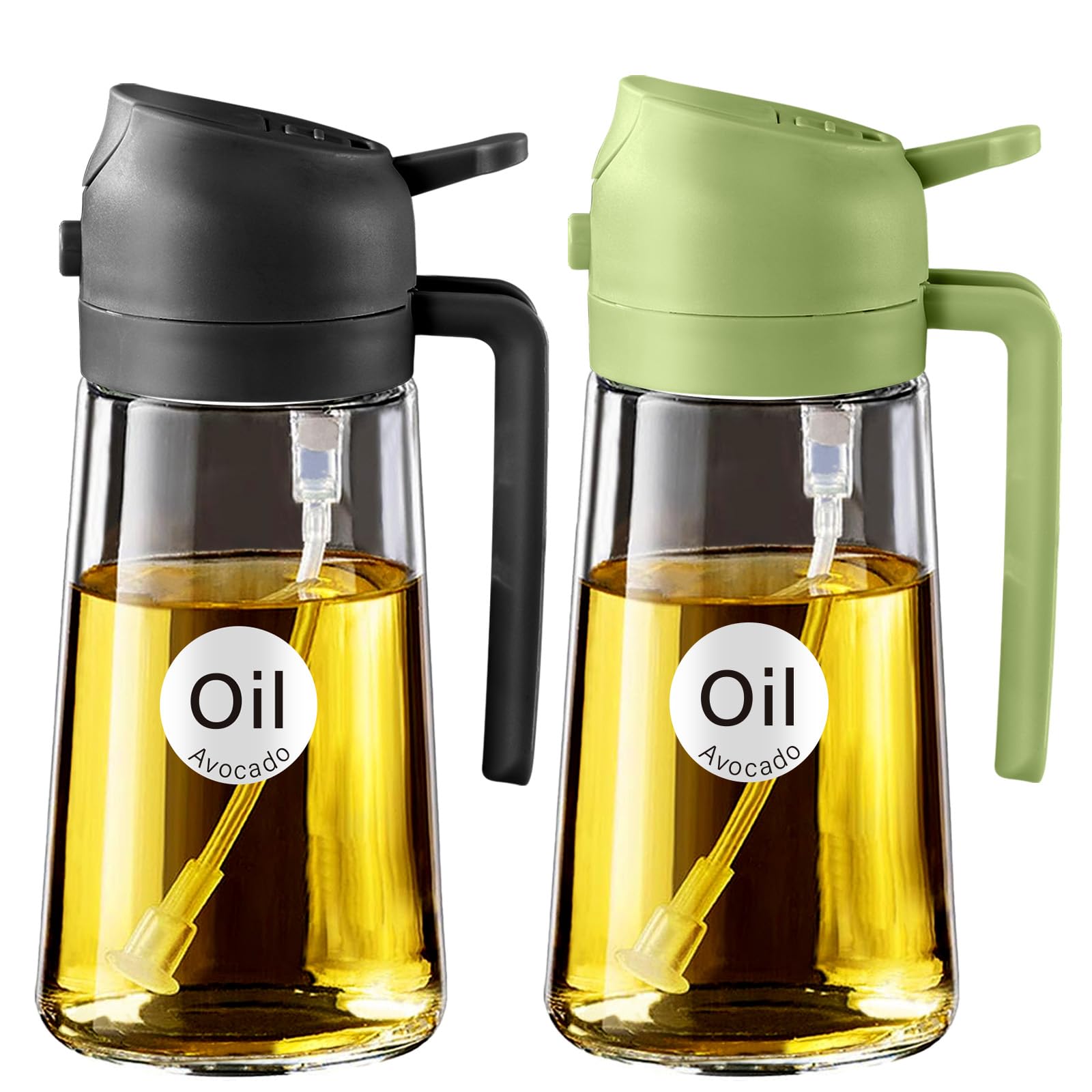
- The dispenser combines a pourer and sprayer.
- Its refillable design has a wide mouth opening for adding oil.
- Transparent glass makes it easy to monitor the oil level.
Best Gift For: A home cook who wants to refill one bottle for both pouring and spraying oil.
LETPOT LPH-SE 12-Pod Hydroponic Herb Garden
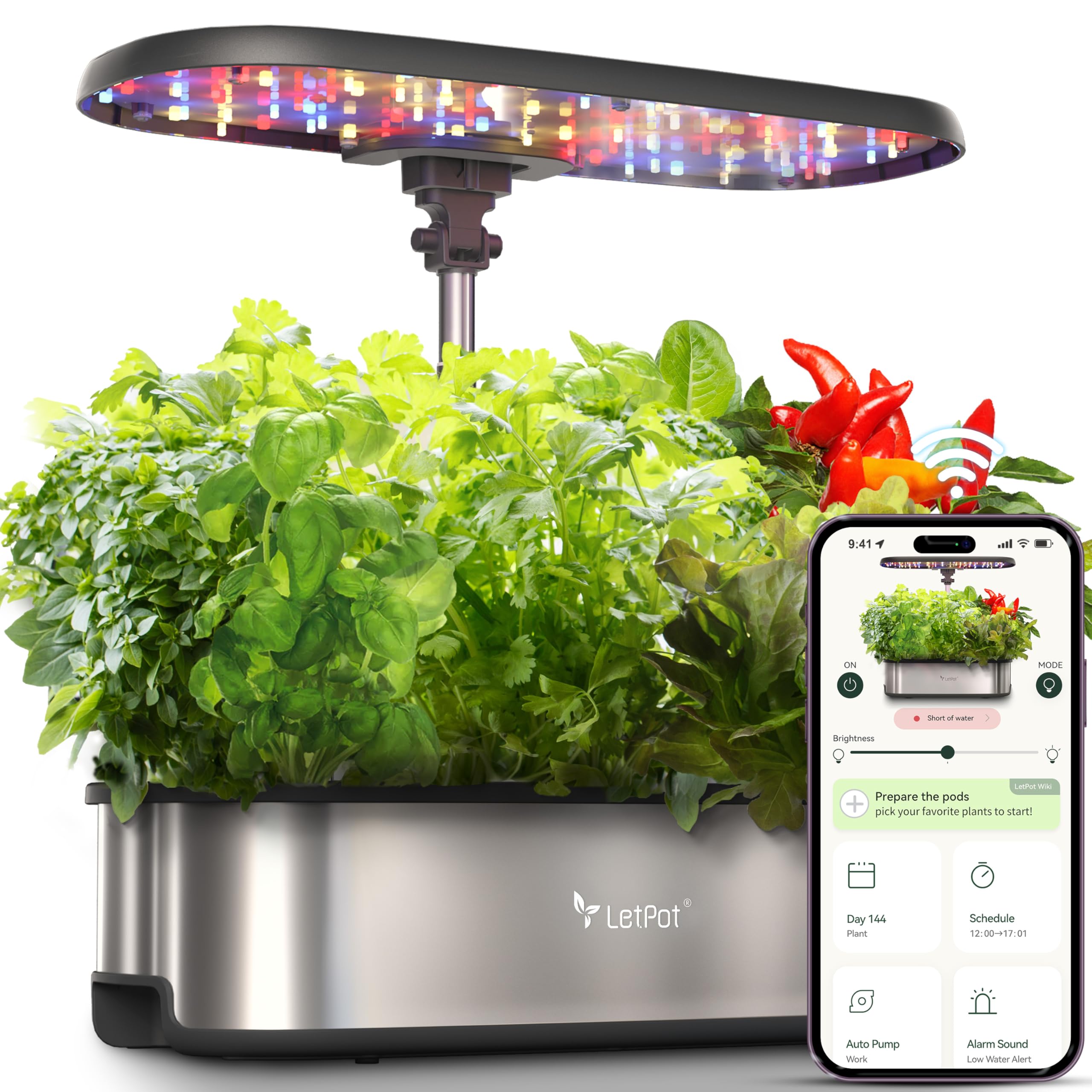
- The app lets users adjust the LED lighting schedule.
- The kit includes 12 planting cups, sponges, baskets, covers, and A&B nutrients.
- The water tank allows up to 3 weeks of growth without watering.
Best Gift For: A plant lover who wants to grow herbs indoors throughout the year.
Best Choice Products 8x4x2ft Metal Raised Garden Bed
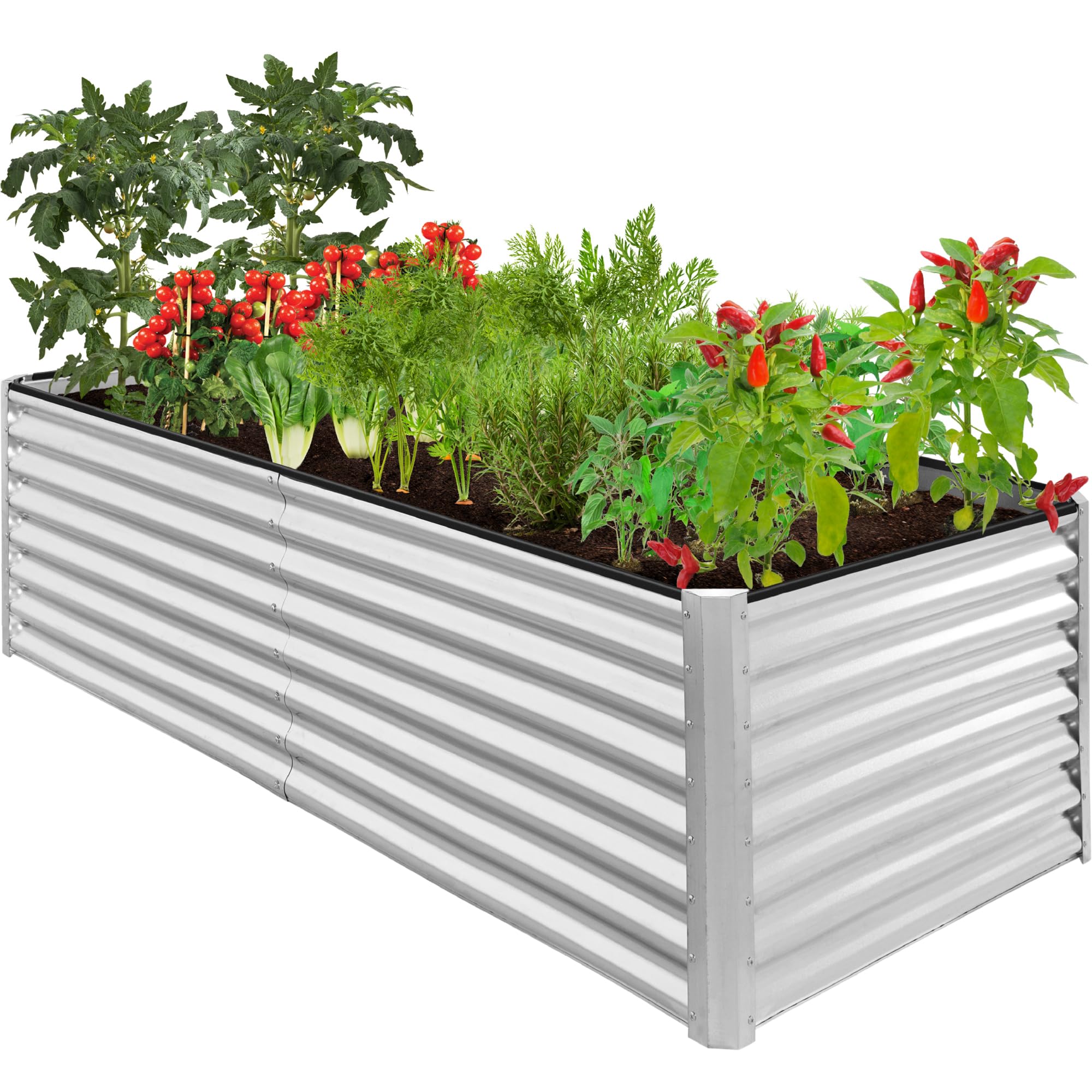
- The 24-inch depth suits medium- to deep-rooting plants and vegetables.
- The steel panels assemble with included wingnuts and bolts.
- The bottom panel is not included.
Best Gift For: A gardener planning a large outdoor bed for vegetables, herbs, or flowers.
Mr. Pen 10-Pack Seed Starter Tray Kit, 400 Cells
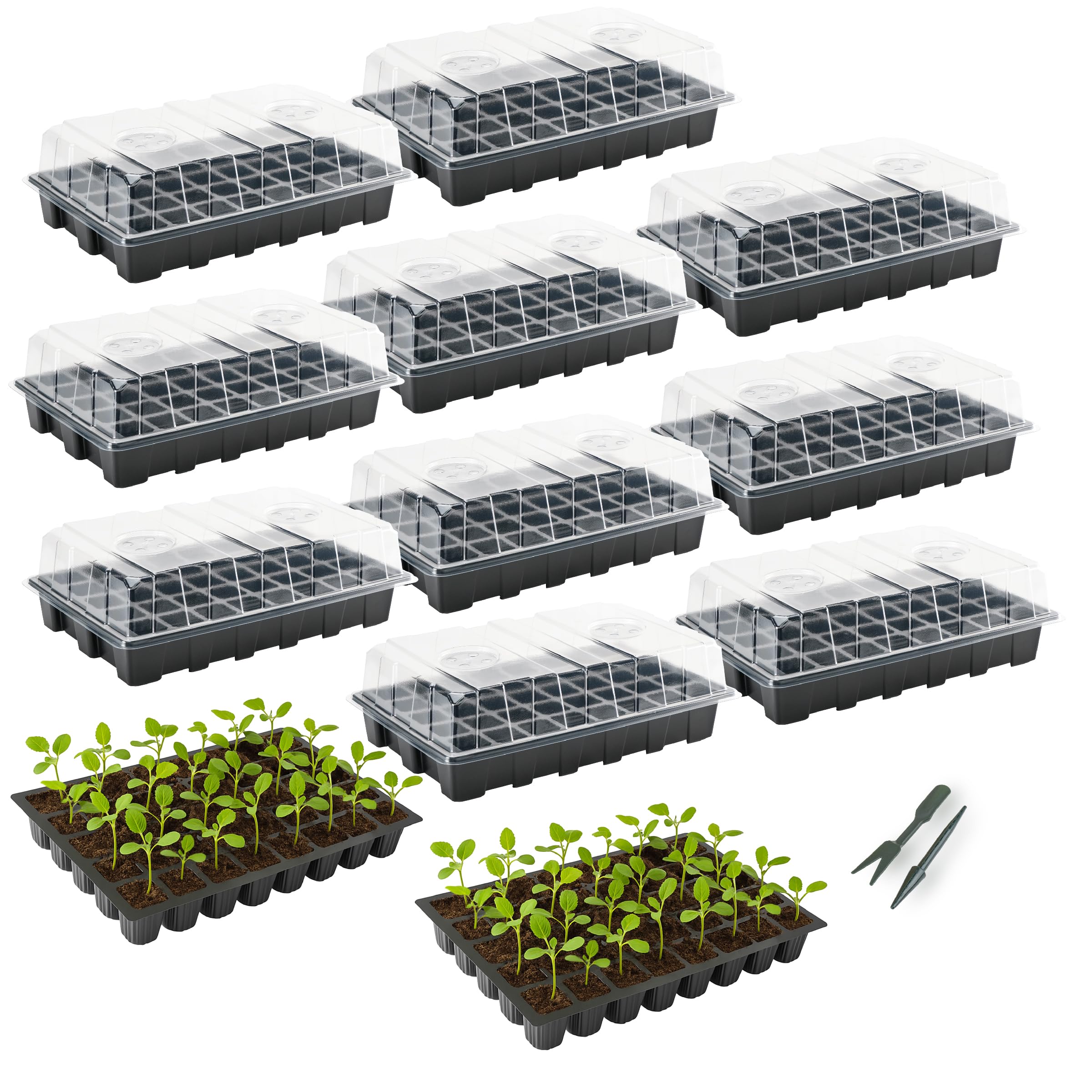
- The kit includes a 10-pack of 40-cell germination trays with matching bases and vented domes.
- Clear domes make it easier to monitor seedling growth.
- A dibber and widger are included for sowing and transplanting.
Best Gift For: Someone who starts plants from seed at home, in a classroom, or in a greenhouse.
Choosing Gifts for Eco Conscious People
When choosing gifts for eco conscious people, start with the habit the recipient already enjoys. A person who cooks most nights may appreciate ways to collect scraps or keep leftovers; someone who grows herbs may prefer a project that brings plants indoors or gets seeds started for spring.
Consider the space and routine the gift needs. A countertop compost bin suits a kitchen with room near food prep, while an outdoor bin or raised bed calls for an appropriate garden area.
For an apartment gardener, an indoor growing kit may be easier to fit into everyday life.
A gift that matches an established routine is more likely to be used. If you are unsure, think about what the recipient already does: carries coffee, packs lunch, tends seedlings, or looks for ways to use kitchen scraps.
A practical fit can feel more thoughtful than a grand gesture.
Balance Budget and Commitment
Eco-minded gifts range from small kitchen helpers to larger garden projects. Set a comfortable budget, then consider the supplies, space, and time the gift might require.
A useful kitchen item can be a complete gesture on its own; a larger growing setup may suit someone ready to take on a project.
Think about the effort that comes after unwrapping. Composting requires a place to collect scraps and a plan for what happens next.
Seed-starting and raised-bed projects involve tending plants, while reusable food storage and drinkware can slot into familiar routines with little change.
If you are weighing several options, check actual prices and current product details before buying. Consider whether the recipient has the room and supplies to use the gift, and whether a smaller item would better suit their schedule.
The best match respects both their interests and their capacity.
Make Gifts for Eco Conscious People Personal
For gifts for eco conscious people, personalization can come from the recipient’s own routine. Pair a garden-focused present with a handwritten note about the herbs or vegetables they enjoy, or connect a kitchen item to a favorite recipe or meal-prep habit.
Keep the message specific to them.
Presentation can reinforce the practical spirit of the gift. Reuse a box or paper you already have, tie it with reusable ribbon, or add a simple card explaining why you chose the item.
The gesture can feel polished without adding packaging that the recipient has to discard.
For a shared gift, invite others to contribute to a plan rather than add clutter. Friends might help prepare a garden area, label seedlings, or trade recipes for using seasonal produce.
These small personal touches give a useful object a connection to the people and routines around it.
Check Space, Fit, and Details
Before choosing a garden gift, picture where it will live. Measure the intended spot, consider access to light and water, and ask whether the recipient wants a new growing project.
For kitchen gifts, think about storage space and whether the item fits their usual way of cooking or packing meals.
Check compatibility and dimensions against the recipient’s existing setup. A mug should suit how they carry drinks; storage pieces should fit their cupboard or lunch routine.
For garden equipment, confirm the space and any needed accessories so the gift does not become an unfinished project.
When asking directly would spoil the surprise, use a gentle question about current plans: what they hope to plant, what they do with food scraps, or whether they are trying to reduce disposable cups. A little context helps you choose something useful without assuming that every sustainability-minded person wants the same thing.
Last-Minute Buying Advice
For a last-minute choice, focus on a gift that matches a habit you know well. A reusable item or a small seed-starting project can be easier to personalize than a larger garden installation.
Check the actual product details, dimensions, compatibility, and delivery estimates before placing an order.
If timing is uncertain, an in-person gift card paired with a thoughtful note can leave the recipient free to choose the right size or setup. You can also give a card describing a future garden day or shared meal, then arrange the practical details together.
Keep the note warm and concrete: mention the habit you admire or the meal, plant, or routine that inspired the gift. That context makes even a simple present feel intentional.
A useful gift should make the recipient’s preferred routine easier to continue, at a pace that works for them.