Starting a garden is easier when a few useful tools are ready at hand. These 12 ideas cover indoor growing, planting, watering, composting, and making an outdoor space more inviting.
Choose around the recipient’s space and the kind of gardening they want to try first. A small countertop project calls for different gear than a patio setup or a larger garden.
12 Christmas Gift Ideas for New Gardeners
iDOO 12-Pod Hydroponics Growing System
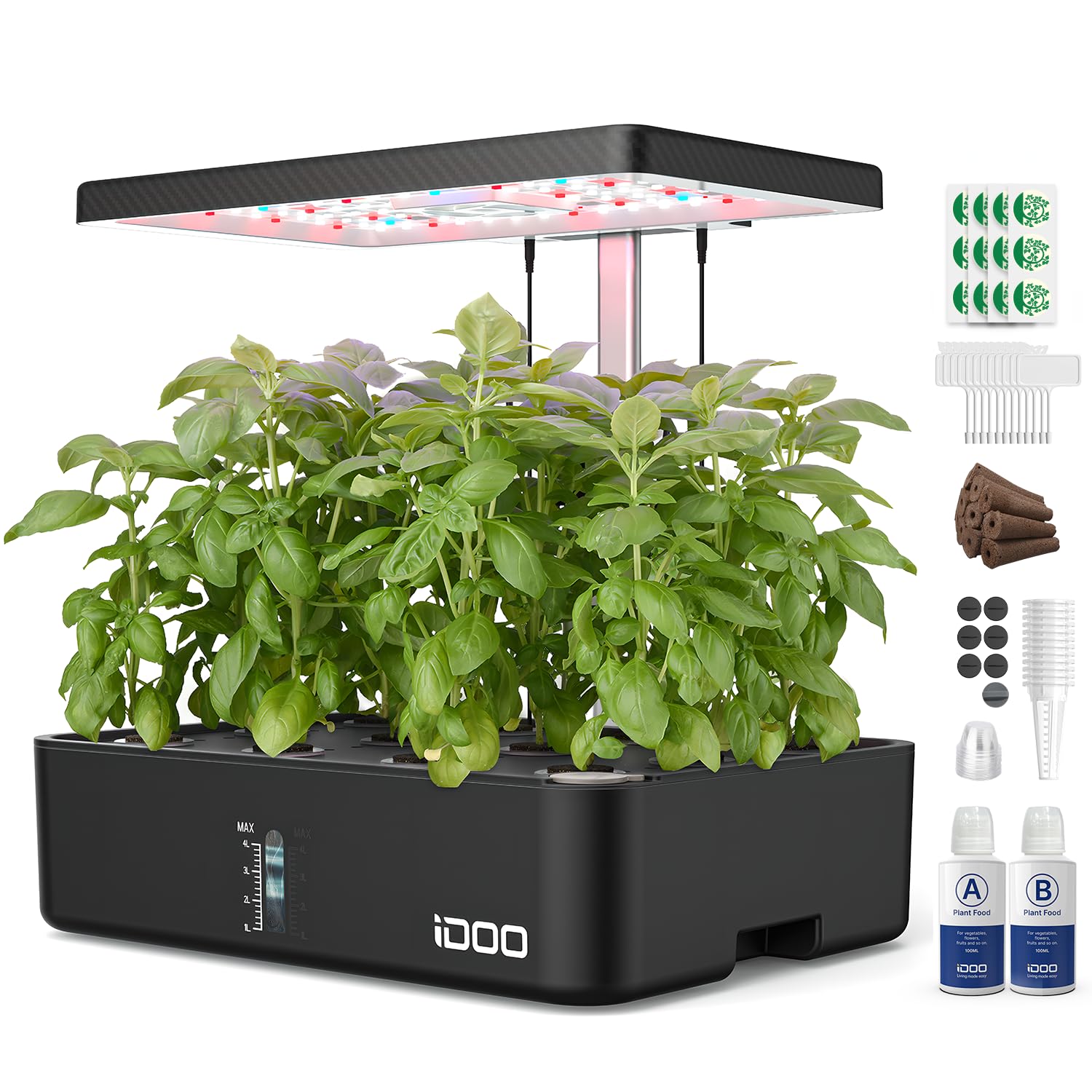
- The system grows 12 plants at a time, with light height adjustable for plants up to 11.02 inches tall.
- Its 22-watt LED light turns on and off automatically.
- A visual window lets the grower check the water level.
Best Gift For: A new gardener who wants to grow herbs or other plants indoors.

LetPot Smart Seed Starter Kit
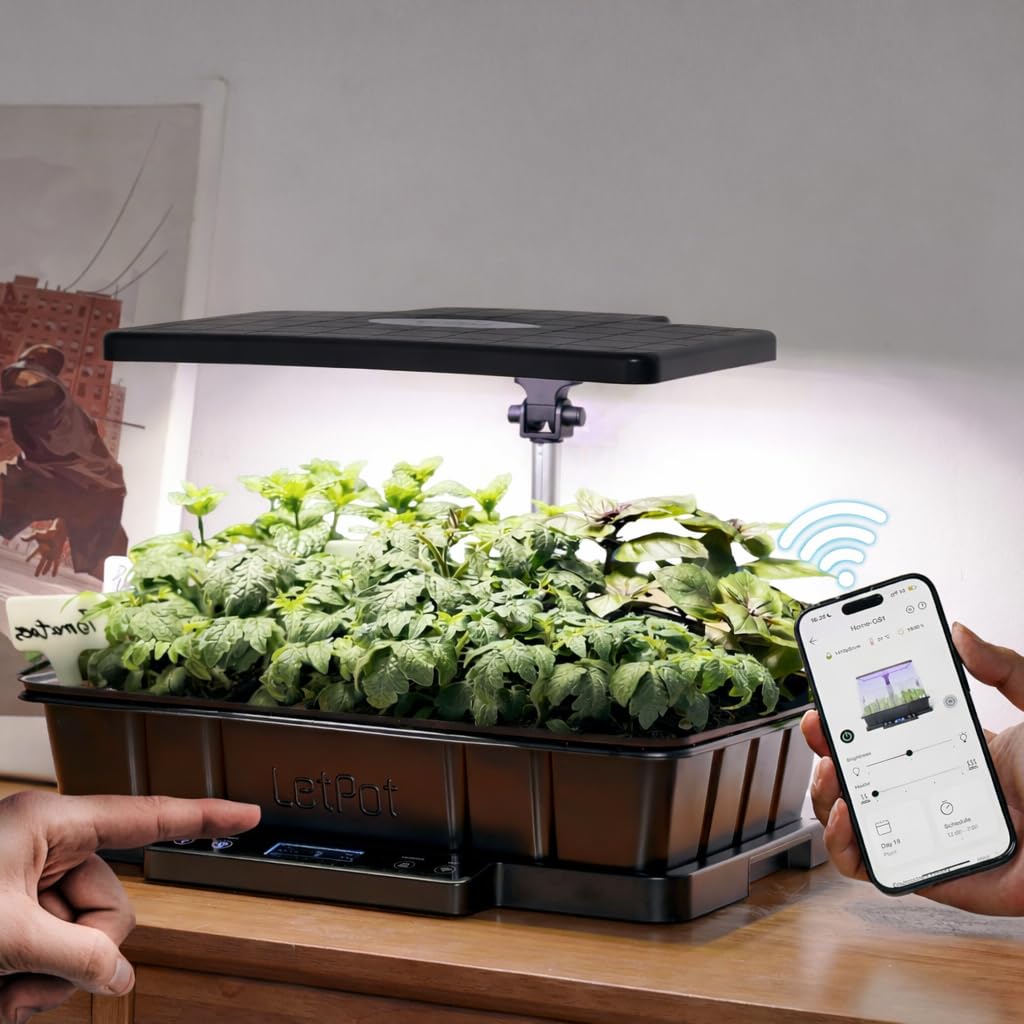
- The built-in full-spectrum LED grow light delivers uniform light across all 40 cells.
- Its adjustable dome has vents to manage moisture during germination.
- Seedlings in the included sponges can be transplanted without disturbing their roots.
Best Gift For: A new gardener who wants to start herbs, vegetables, or flowers indoors.
Best Choice Products Elevated Raised Garden Bed
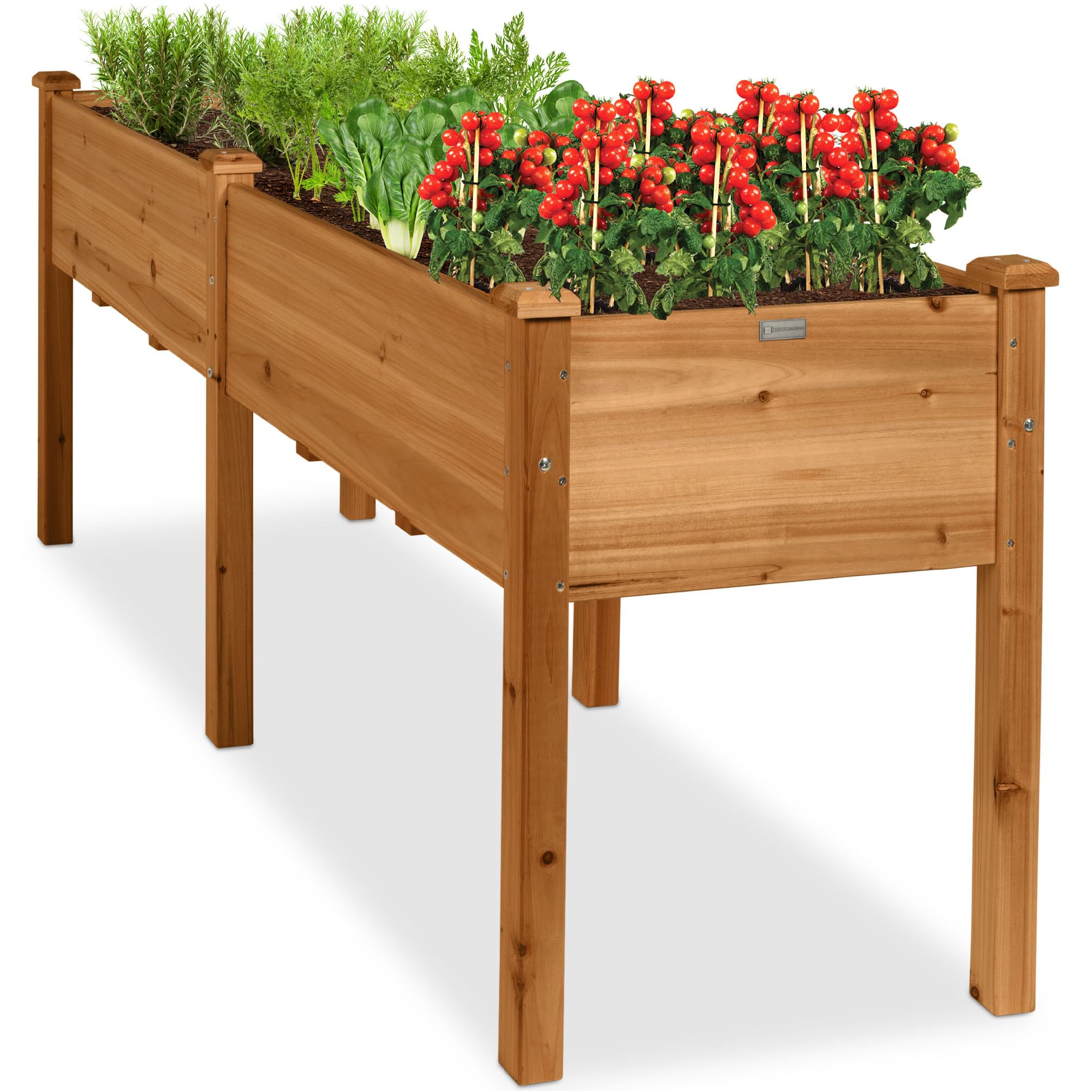
- The elevated design lets the gardener tend plants without bending or kneeling.
- Six drainage holes help excess water escape.
- The bed offers 8.4 cubic feet of planting space.
Best Gift For: A new gardener tending a balcony, deck, or patio garden.
Best Choice Products Wooden Potting Bench
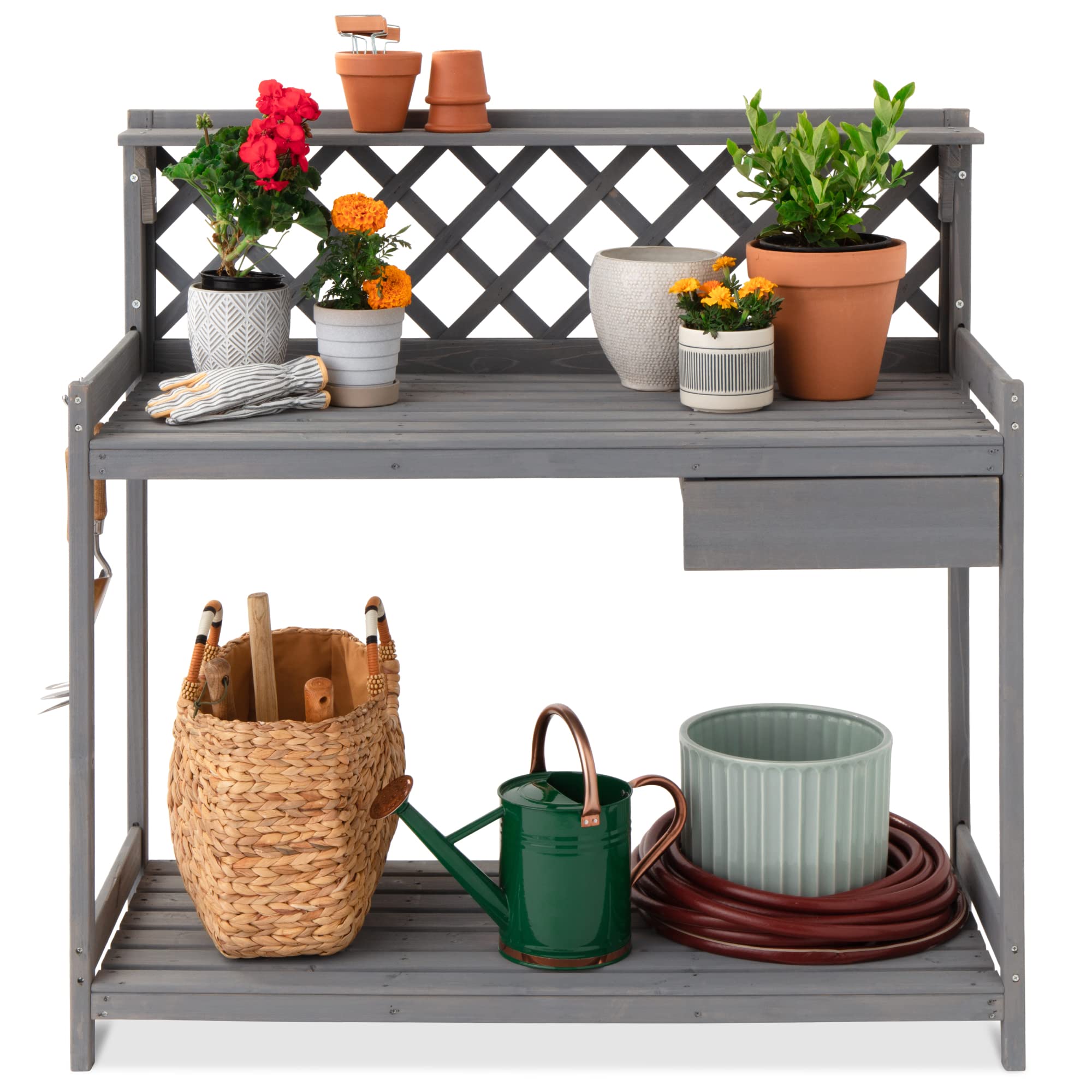
- A drawer and two hooks offer storage for hand tools and garden essentials.
- The open shelf keeps seedlings and watering cans close at hand.
- The lower shelf has a 100-pound weight capacity and is suited to soil, fertilizer, and other heavy items.
Best Gift For: A new gardener who would appreciate a dedicated outdoor potting and storage station.
FCMP Outdoor HOTFROG Dual Body Tumbling Composter
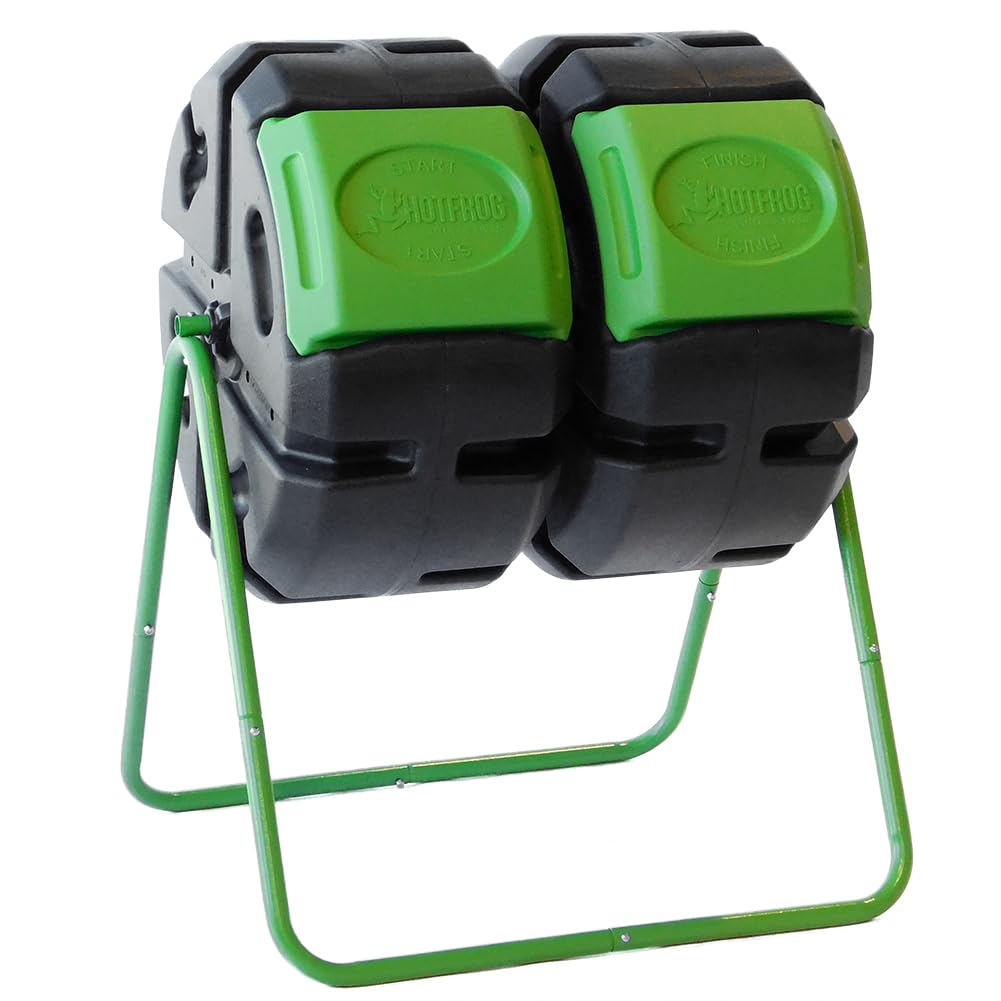
- Its total capacity is 37 gallons.
- The tumbling design is turned to help mix compost ingredients.
- In hot, sunny conditions with a proper ingredient balance, compost can finish in as little as two weeks.
Best Gift For: A new gardener interested in making compost for an outdoor garden.
Pocket Hose Copper Bullet Expandable Garden Hose
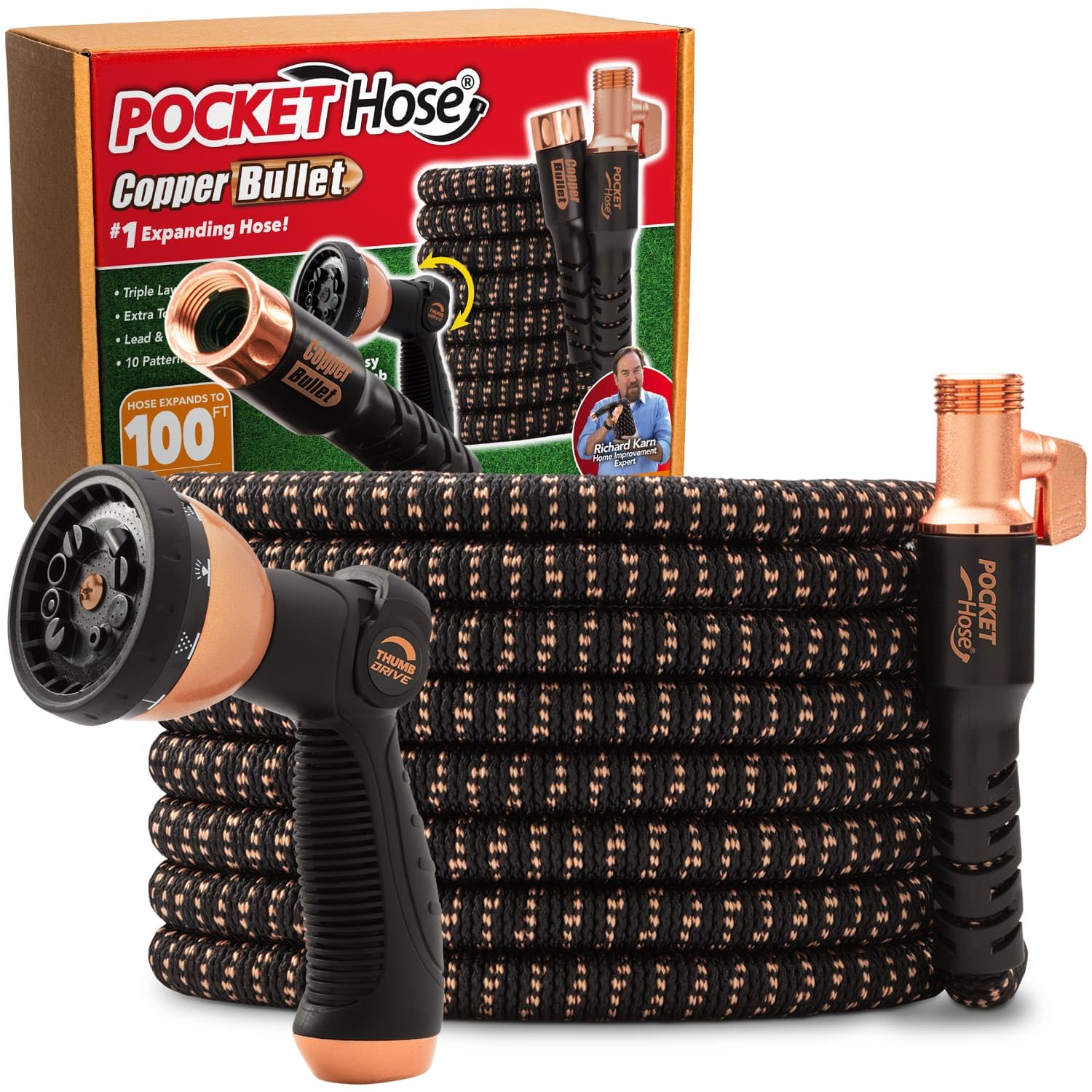
- The hose is 100 feet long.
- The included nozzle offers 10 spray patterns.
- The title identifies the hose as solid copper and anodized aluminum.
Best Gift For: A new gardener who needs a hose for watering an outdoor growing space.
VEVOR Retractable Garden Hose Reel
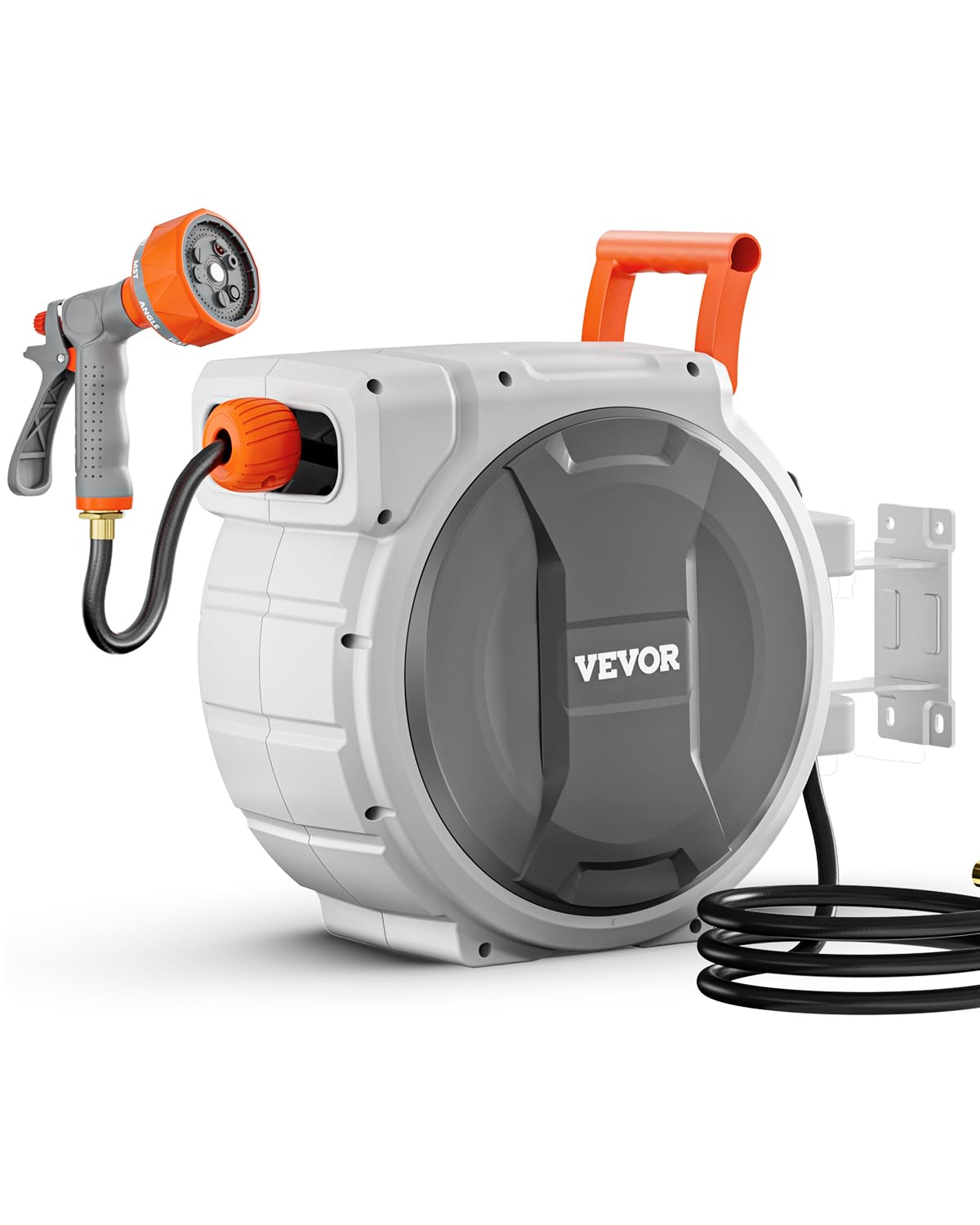
- The wall-mounted reel includes a 100-foot hose.
- Its adjustable swivel bracket rotates 180 degrees.
- The nozzle has nine spray settings for different watering needs.
Best Gift For: A new gardener who wants to keep an outdoor watering area organized.
Seedfactor Seedling Heat Mat
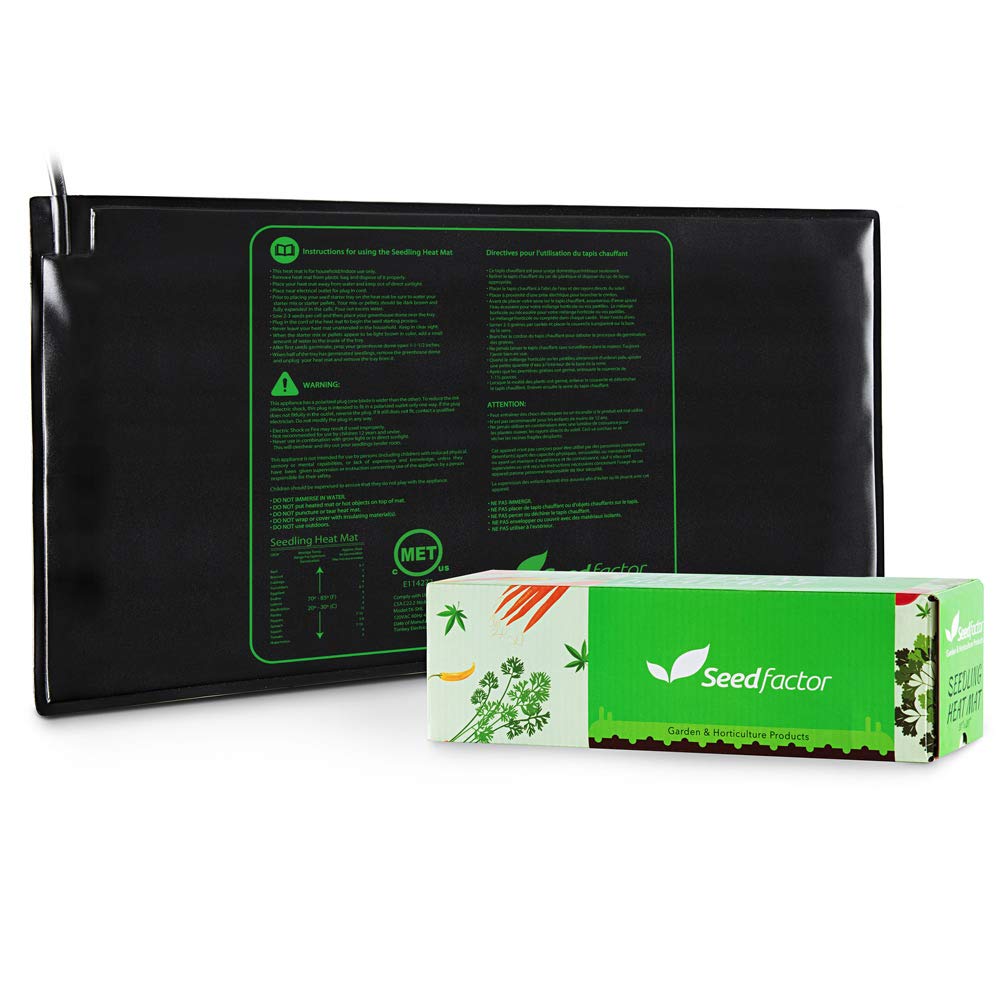
- The mat helps keep the root area of seedlings between 70℉ and 85℉.
- Its waterproof construction is designed for indoor plantings.
- The mat is available in four sizes.
Best Gift For: A new gardener starting seedlings indoors.
EnHomee 14-Tier Plant Stand
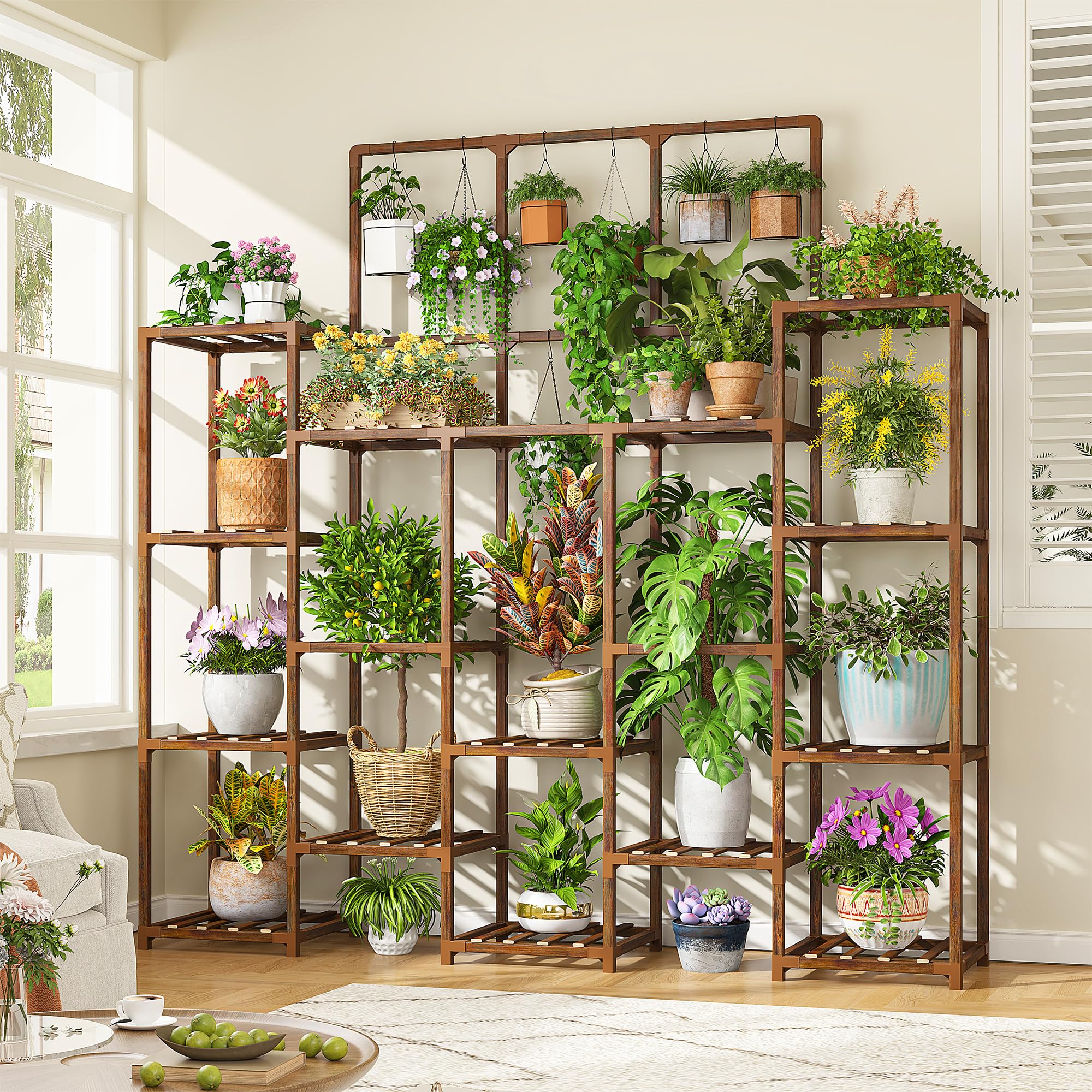
- The stand accommodates 18–23 planters.
- Built-in hooks can hold trailing vines and hanging planters.
- Its shape can be reconfigured to suit the space.
Best Gift For: A new gardener who wants a display for indoor or outdoor plants.
Veradek Demi Series Round Planter
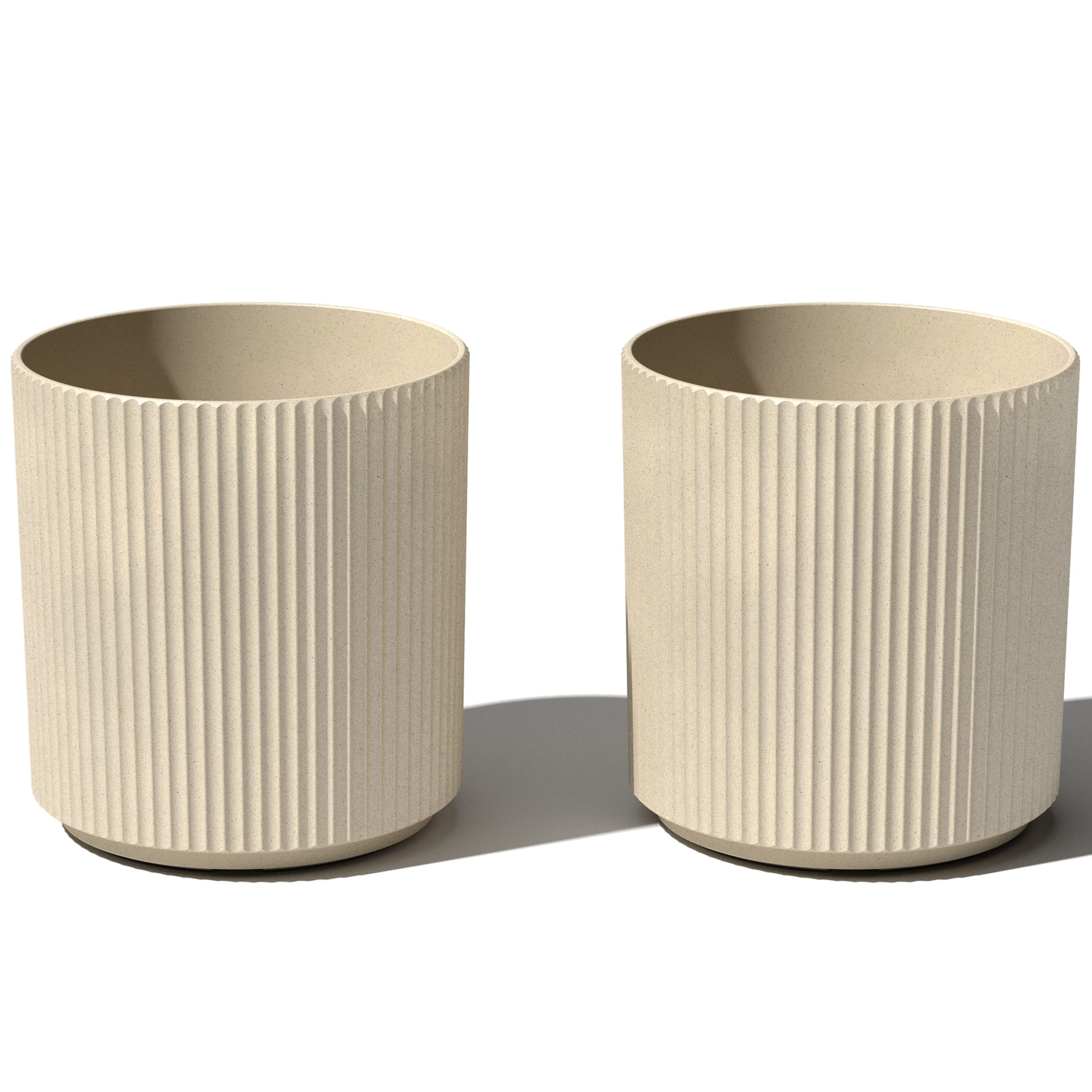
- Pre-drilled drainage holes help prevent overwatering.
- The plastic-stone composite has a textured finish.
- Its modern appearance suits a living room, porch, or backyard.
Best Gift For: A new gardener adding a planter to a porch, patio, or backyard.
EPICA 1.3-Gallon Countertop Compost Bin
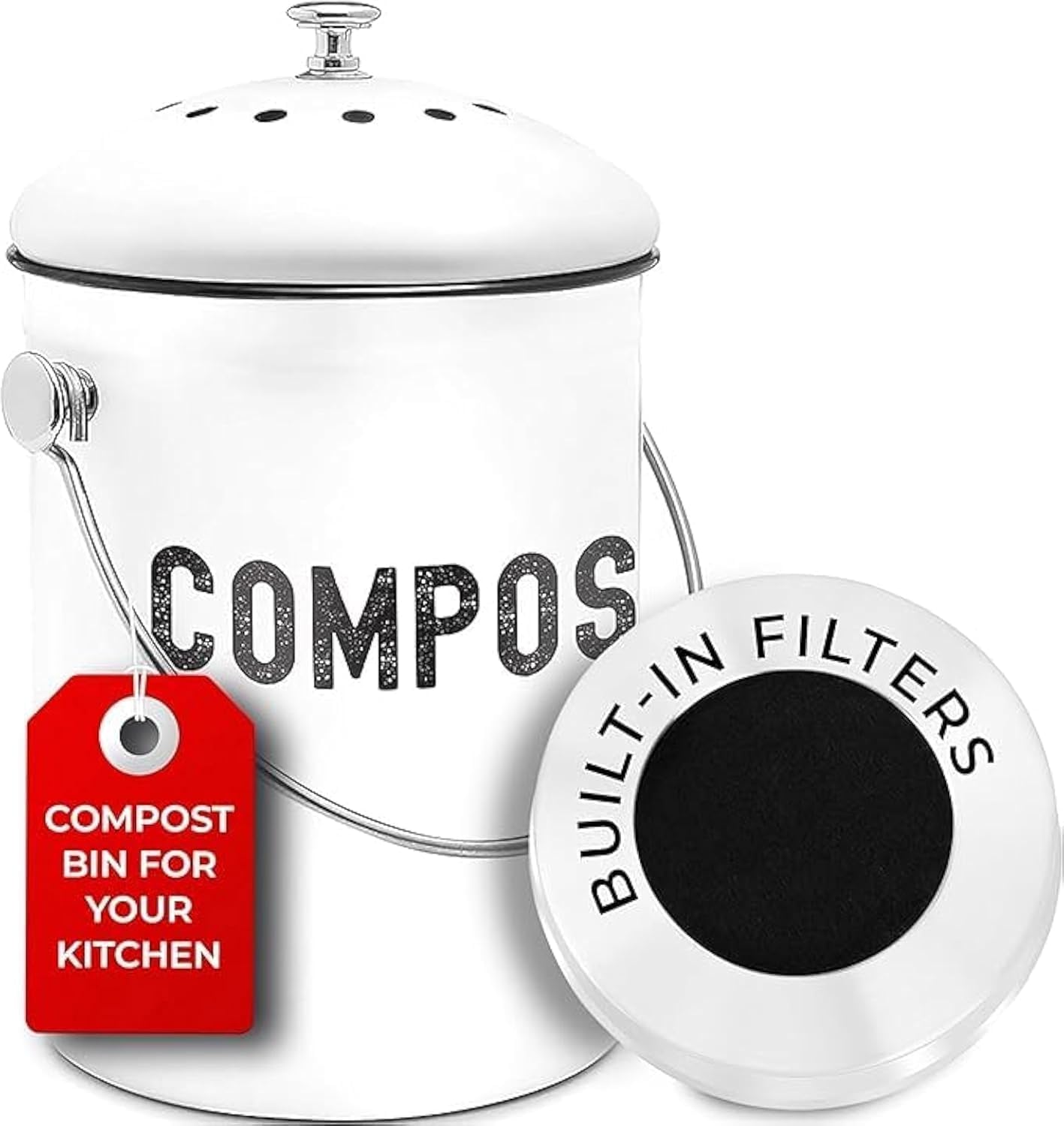
- The bin has an airtight lid and a replaceable activated-charcoal filter.
- Its one-piece molded design resists rust and leaks.
- The countertop bin holds 1.3 gallons.
Best Gift For: A new gardener who wants to collect kitchen scraps for composting.
Svater 300-Foot Outdoor String Lights, 3-Pack
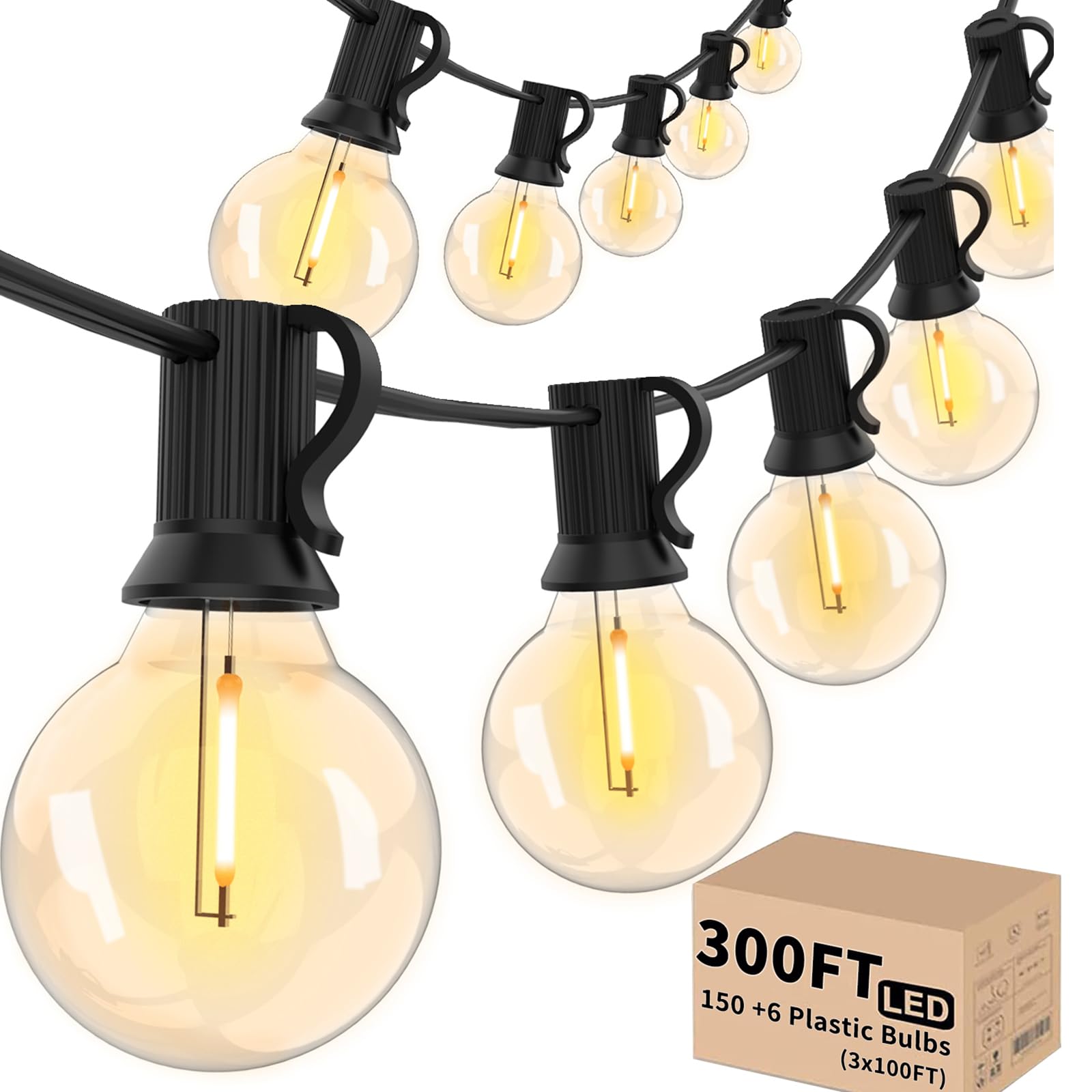
- The set includes three 100-foot strands.
- It comes with 150 shatterproof plastic LED bulbs and six spares.
- The lights work with a dimmer, which is not included.
Best Gift For: A new gardener who wants warm lighting for an outdoor entertaining space.
1. Start with Christmas gifts for new gardeners and their space
Christmas gifts for new gardeners make more sense when they match the space the recipient actually has. Someone with a sunny patio may be ready for a planter or raised bed; someone in an apartment may prefer a compact indoor starting project.
Ask casually where they hope to grow, or notice whether they already have a balcony, windowsill, or outdoor work area.
Consider what they want to grow before choosing equipment. Herbs and seedlings suggest a different first project from flowers or a larger vegetable patch.
A gift that supports one clear next step can feel more encouraging than a collection of supplies that requires extra storage or setup.
Think about how much gardening the recipient has tried so far. A beginner may appreciate a contained project with a visible routine, while someone who has already started planting may value organization, work surfaces, or ways to manage kitchen scraps.
Match the gift to their current habits and room to grow.
2. Balance budget with what the garden still needs
A useful budget starts with the recipient’s immediate setup. Smaller accessories can make a thoughtful present when they solve a real need, while furniture or larger growing equipment may suit a shared family gift.
For Christmas gifts for new gardeners, consider whether the main item will also need soil, seeds, containers, tools, or a suitable place to live.
Some presents begin a project but do not supply every material for it. A seed-starting setup, for example, may be more welcome with a packet of seeds or a handwritten offer to help choose plants.
Check what is included and what the recipient already owns so the gift does not quietly create extra shopping.
When deciding between a larger item and a few modest ones, consider use through the whole season. Storage, cleanup, and available space matter alongside the initial gift.
If the recipient is still exploring, choose a flexible item or a modest starter rather than committing them to a big installation before you know what they want to grow.
3. Personalize Christmas gifts for new gardeners
Christmas gifts for new gardeners feel more personal when they connect to a plant, recipe, or corner of the home the recipient already enjoys. Pair a growing project with seeds chosen for their cooking, flowers in a favorite color, or a note suggesting the first planting day together.
Keep add-ons matched to the recipient’s space and interests.
Presentation can make practical gear feel festive without adding clutter. Wrap seed packets with garden gloves if you know their size, tie a card to a planter, or include a small notebook for planting dates and observations.
For bulky furniture or equipment, a printed picture and a thoughtful card can stand in for a difficult parcel.
A personal touch can also help someone feel confident getting started. Add a simple, locally appropriate planting calendar or a few questions to explore together, such as which herbs they cook with or where morning light falls.
Avoid promising that a particular plant will thrive; climate, light, and care make each garden different.
4. Make a considered last-minute choice
For a last-minute purchase, first confirm the recipient’s available space and whether the item is likely to fit through the door or into its intended spot. Check current product details, dimensions, compatibility with supplies they already own, and delivery estimates before buying.
Those checks are especially useful for larger pieces and indoor growing systems.
If timing is uncertain, choose a gift you can present with a note about the project it supports. A card describing a future seed-starting afternoon or a visit to choose plants can still feel intentional.
Do not assume a package will arrive by a particular date; check the estimate shown when ordering.
You can also give a small companion item in person and explain the larger gardening plan. Keep receipts and gift options handy when appropriate, particularly if the recipient needs to confirm a fit, finish, or setup detail.
A little flexibility helps a new gardener feel free to shape the gift around their own space.
5. Help the first season feel manageable
New gardeners often benefit from a first project that is easy to observe and maintain. Encourage the recipient to begin with a few plants suited to their conditions, then learn from watering, light, and growth as the season develops.
The aim is to make gardening rewarding enough that they want to keep experimenting.
A practical gift can also create a routine: a place to pot plants, a way to gather scraps, or a comfortable spot to display growth. Help the recipient think through where it will go and how they will use it, especially if they share a small home or outdoor area with others.
Leave room for the gardener’s preferences to emerge. They may discover that they enjoy herbs more than flowers, or that containers suit them better than a bed.
A considerate present supports that discovery, and a short note offering help with setup can be as welcome as another accessory.